What Are the Early Signs and Symptoms of a Varicocele?
Wiki Article
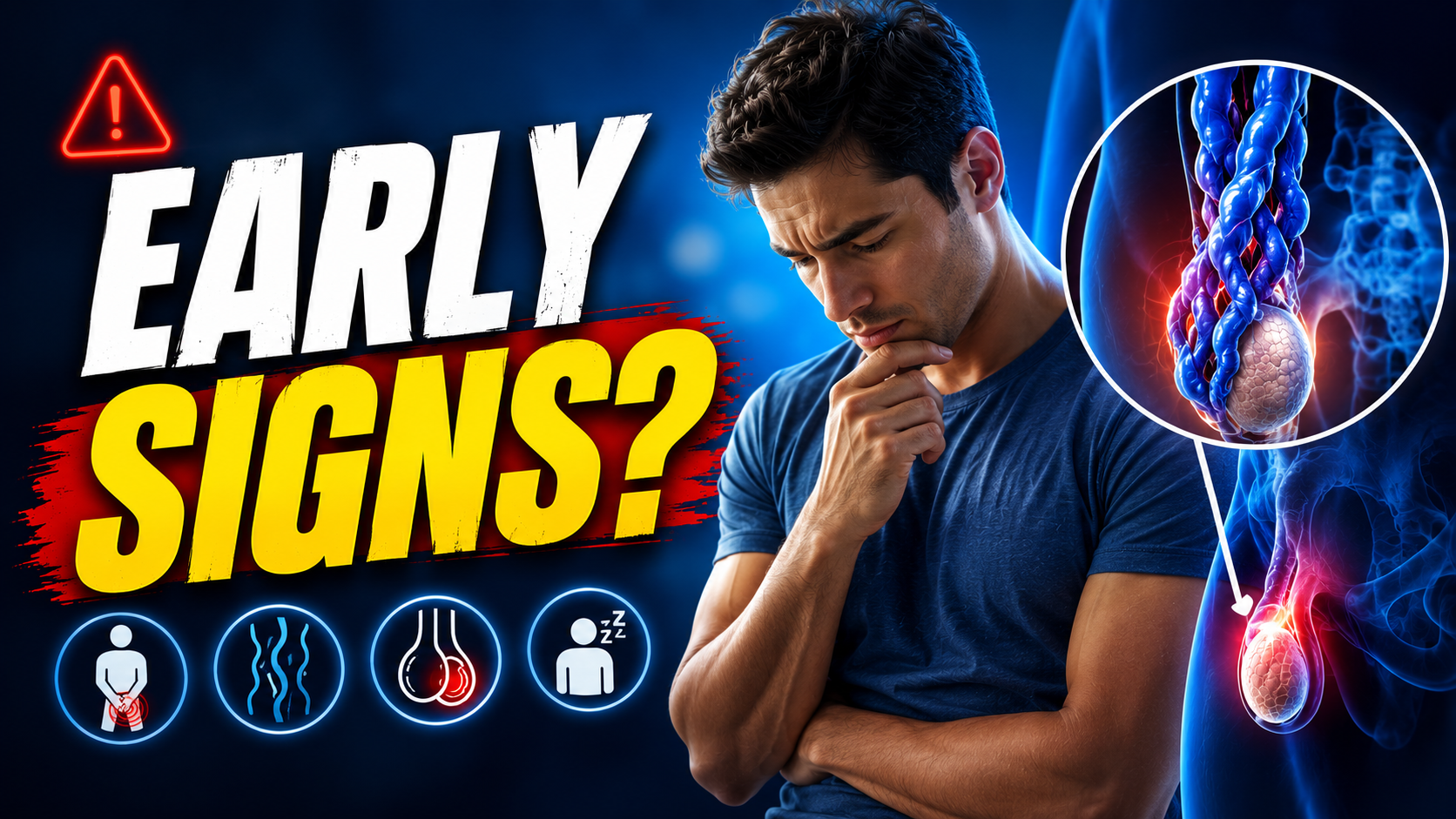
The early signs and symptoms of a varicocele are often mild and may develop gradually over time. Many men notice a dull aching pain, a feeling of heaviness in the scrotum, or enlarged veins that become more noticeable after standing or physical activity. Some men have no symptoms at all and only discover the condition during a routine examination or fertility assessment. Recognizing these early changes can help ensure timely diagnosis and appropriate treatment when needed.
Because varicoceles usually progress slowly, they are frequently overlooked during the early stages. Men often assume mild discomfort is temporary or caused by exercise. Understanding varicocele symptoms can help identify the condition before it begins affecting testicular health or fertility.
Why Are Early Varicocele Symptoms Easy to Miss?
A varicocele develops when the valves inside the testicular veins stop working properly.
Instead of carrying blood back toward the heart, the veins allow blood to flow backward and pool around the testicle.
This gradual process often produces only subtle symptoms initially.
According to the American Urological Association (AUA), many varicoceles remain unnoticed because they cause little or no discomfort during the early stages.
What Is Usually the First Sign of a Varicocele?
For many men, the earliest symptom is a mild feeling of heaviness in the scrotum.
This sensation commonly becomes more noticeable:
After standing for long periods
Following physical exercise
At the end of the day
During hot weather
The discomfort often improves after lying down because blood drains more easily from the enlarged veins.
Can a Varicocele Cause Pain?
Yes.
Pain is usually mild during the early stages and develops gradually rather than suddenly.
Men often describe it as:
A dull ache
Mild tenderness
A dragging sensation
Scrotal discomfort
Unlike sharp pain, varicocele discomfort usually becomes worse with prolonged standing and improves with rest.
Persistent pain should always be medically evaluated.
Are Enlarged Veins an Early Symptom?
Yes.
As the veins become enlarged, they may become visible or easier to feel.
Some men notice:
Twisted veins above the testicle
Enlarged scrotal veins
A soft swelling
A texture often compared with a "bag of worms"
According to the European Association of Urology (EAU), larger varicoceles are often detected during physical examination, while smaller ones may require Doppler ultrasound for confirmation.
Can a Varicocele Affect One Side More Than the Other?
Yes.
Most varicoceles develop on the left side.
This happens because the left testicular vein drains differently from the right, creating higher venous pressure.
Although less common, varicoceles can occasionally affect both sides.
Doctors evaluate each patient individually to determine the extent of the condition.
Can Fertility Be Affected Before Symptoms Appear?
Yes.
Some men experience fertility problems even though they have little or no scrotal discomfort.
According to the American Society for Reproductive Medicine (ASRM), varicocele is one of the most common treatable causes of male infertility.
Difficulty conceiving may be the first indication that a varicocele is present.
How Do Doctors Confirm a Varicocele?
Diagnosis usually begins with:
Medical history
Physical examination
Scrotal Doppler ultrasound
The ultrasound evaluates:
Blood flow direction
Venous reflux
Vein enlargement
Testicular size
This investigation confirms the diagnosis and helps determine the severity of the condition.
When Should You See a Doctor?
Medical evaluation is recommended if you experience:
Persistent scrotal pain
A feeling of heaviness
Enlarged or twisted veins
Changes in testicular size
Fertility concerns
Early diagnosis allows doctors to monitor the condition and recommend treatment when appropriate.
What Treatment Options Are Available?
Not every varicocele requires treatment.
When treatment is recommended, one minimally invasive option is Varicocele Embolization.
During this image-guided procedure, an interventional radiologist inserts a thin catheter into a vein and blocks the abnormal veins causing the varicocele.
Blood is naturally redirected through healthy veins, reducing venous pressure without open surgery.
Treatment recommendations are based on symptoms, fertility goals, ultrasound findings, and overall testicular health.
Conclusion
The early signs and symptoms of a varicocele are often subtle, which is why many men remain unaware they have the condition. Mild scrotal heaviness, dull aching pain, enlarged veins, or fertility concerns may all indicate that abnormal blood flow is affecting the testicle. Recognizing these warning signs early allows doctors to diagnose the condition accurately and determine whether monitoring or treatment is the most appropriate option.
The encouraging news is that modern Doppler ultrasound provides a reliable diagnosis, and minimally invasive procedures such as Varicocele Embolization offer an effective alternative to surgery for many suitable patients. Early evaluation helps protect testicular health and supports better long-term reproductive outcomes. Those interested in learning more about minimally invasive care can explore varicocele treatment in jaipur to understand the available treatment options.
Frequently Asked Questions
What is the earliest symptom of a varicocele?
The earliest symptom is often a mild feeling of heaviness or a dull aching discomfort in the scrotum, especially after prolonged standing or physical activity.
Can a varicocele develop without symptoms?
Yes. Many men have no noticeable symptoms and only discover the condition during a routine examination or fertility evaluation.
Why does a varicocele usually occur on the left side?
The left testicular vein has a different drainage pattern that creates higher venous pressure, making left-sided varicoceles more common.
How is a varicocele confirmed?
Doctors usually confirm the diagnosis with a physical examination and a scrotal Doppler ultrasound, which evaluates blood flow and vein enlargement.
When should I seek medical attention for varicocele symptoms?
You should consult a doctor if you experience persistent pain, scrotal heaviness, enlarged veins, changes in testicular size, or fertility concerns.